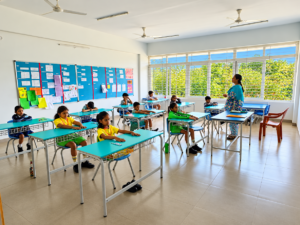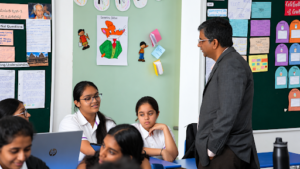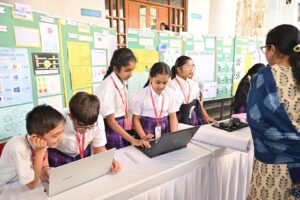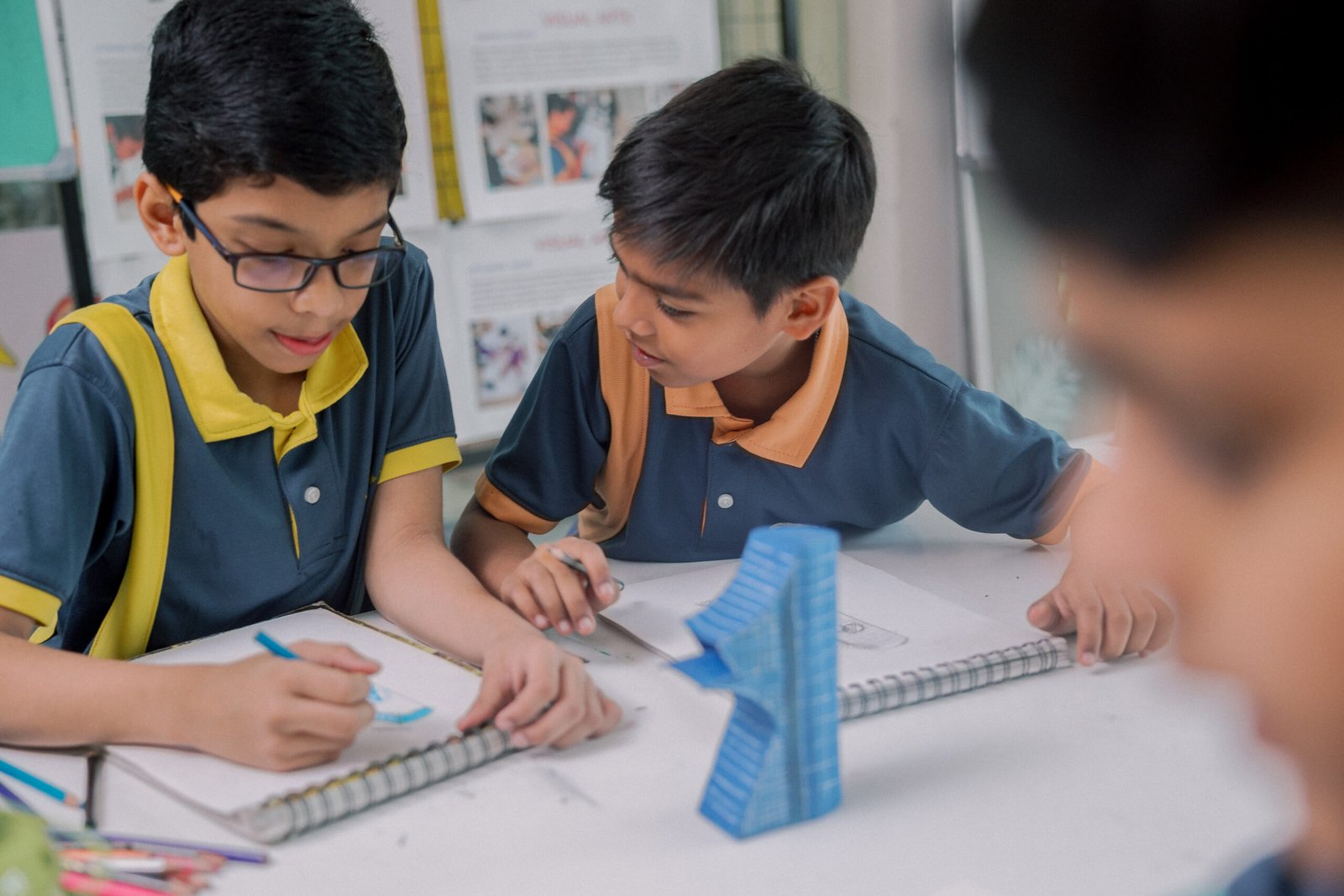
Education is a crucial aspect of a country’s growth and development. It shapes the future of a nation by providing individuals with the necessary knowledge and skills to thrive in their personal and professional lives. In India, the education system has undergone various reforms and changes over the years. However, there are still several challenges and opportunities that need to be addressed to ensure that every student receives a high-quality education. This article will discuss the challenges and opportunities in India’s education system.
The Current State of Education in India: India has made significant progress in improving literacy rates and increasing access to education. However, there are still disparities in the quality of teaching and access to education between urban and rural areas. According to UNESCO, the literacy rate in India stood at 77.7% in 2019, highlighting the ongoing challenges in providing quality education across the country. Moreover, the quality of education in India is a significant concern. The emphasis on memorisation-based learning, lack of critical thinking, and outdated teaching methods are hindering the development of students.
Challenges in India’s Education System:
- Access to Education: One of the biggest challenges in India’s education system is providing access to education to all students, especially in rural areas. According to a report by the Ministry of Human Resource Development, around 35% of schools in India have only one teacher. Moreover, there is a significant dropout rate among girls due to various social and economic factors.
- Quality of Education: The quality of education remains a major challenge. The emphasis on rote learning, lack of critical thinking, and outdated teaching methods are hindering students’ development. This is further aggravated by a lack of training and professional development opportunities for teachers.
- Infrastructure and Resources: Many schools in India, especially in rural areas, lack basic infrastructure and resources such as classrooms, libraries, and playgrounds. This affects the overall learning experience of students and makes it difficult for them to learn in a conducive environment.
- Education Policy: The education policy needs to be revamped to meet the current needs of students. The policy needs to focus on providing quality education, promoting creativity and critical thinking, and ensuring equal access to education for all students.
Opportunities in India’s Education System:
- Technological Advancements: With the advancement of technology, there are several opportunities to improve the quality of education in India. The use of technology in education can help make learning more interactive and engaging for students. Moreover, it can help provide access to education in remote areas.
- Public-Private Partnerships: The government can partner with private organisations to improve the quality of education in India. Private organisations can offer funding, expertise, and innovative solutions to improve infrastructure, teacher training, and curriculum development.
- Skill-Based Education: The education system in India can focus on providing skill-based education to students. This can help prepare students for the job market and reduce the skill gap in the country.
Conclusion:
Ekya, one of the best schools in Bangalore, has introduced innovative methods such as experiential learning, design thinking, and an in-house curriculum, which empower students to succeed in today’s world. By incorporating real-world projects and activities, Ekya provides students with the tools they need to develop critical thinking, creativity, and collaboration skills, preparing them for success in the future.
As a best school in Bangalore, Ekya remains committed to providing a student-centred curriculum that prepares students for the ever-changing challenges of the 21st century. The school’s focus on experiential learning and design thinking ensures that students are equipped with the skills necessary to thrive in both their personal and professional lives.
FAQs
What are the major challenges in India’s education system?
Some of the key challenges include limited access to education in rural areas, poor infrastructure, lack of trained teachers, and an overemphasis on rote learning instead of critical thinking and practical skills.
Why is the quality of education a concern in India?
The quality of education is affected by outdated teaching methods, insufficient teacher training, and a focus on memorisation rather than conceptual understanding and real-world application.
How does the urban-rural divide impact education in India?
Students in urban areas generally have better access to schools, resources, and technology, while those in rural areas often face shortages of teachers, infrastructure, and learning opportunities.
What role does technology play in improving education?
Technology can make learning more interactive and accessible through digital classrooms, online resources, and virtual learning platforms, especially benefiting students in remote areas.
What is skill-based education, and why is it important?
Skill-based education focuses on developing practical abilities such as problem-solving, communication, and critical thinking. It prepares students for real-world challenges and improves employability.